At EAE’s Innovation and Customer Experience Master’s Degree, we were faced with a 24h innovation challenge by Globant in which my team was placed first.
The question the challenged placed was not an easy one:
How could we increase the time of positive use of technology among children aged 7-12 years so that we helped develop their education, creativity, skills, and socialization, while also raising awareness about the associated risks.
When looking into the perceptions of kids and parents around the use of technology, we found out that fears are frequent, but there is also a belief that tech does have a positive effect on children:
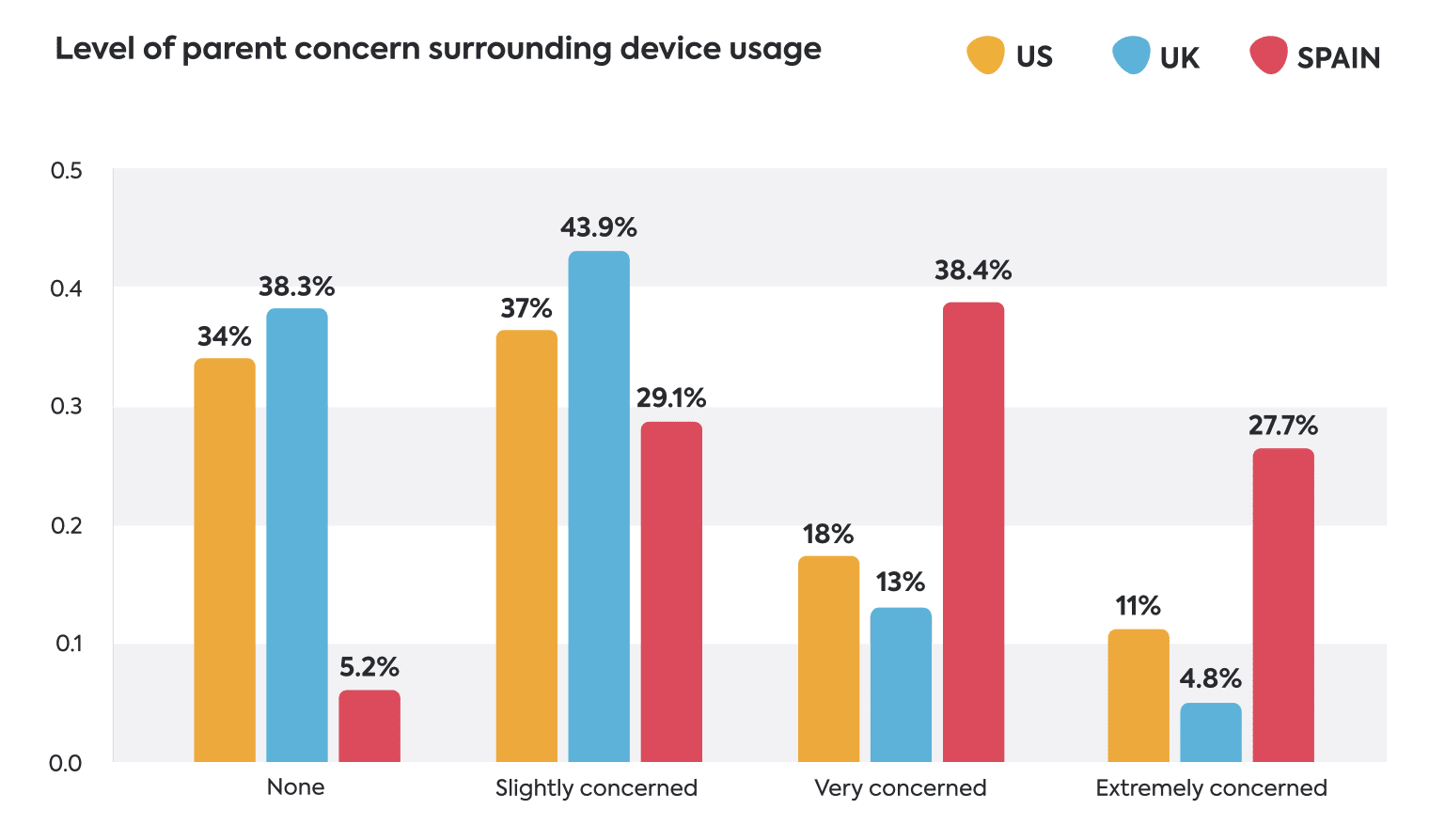
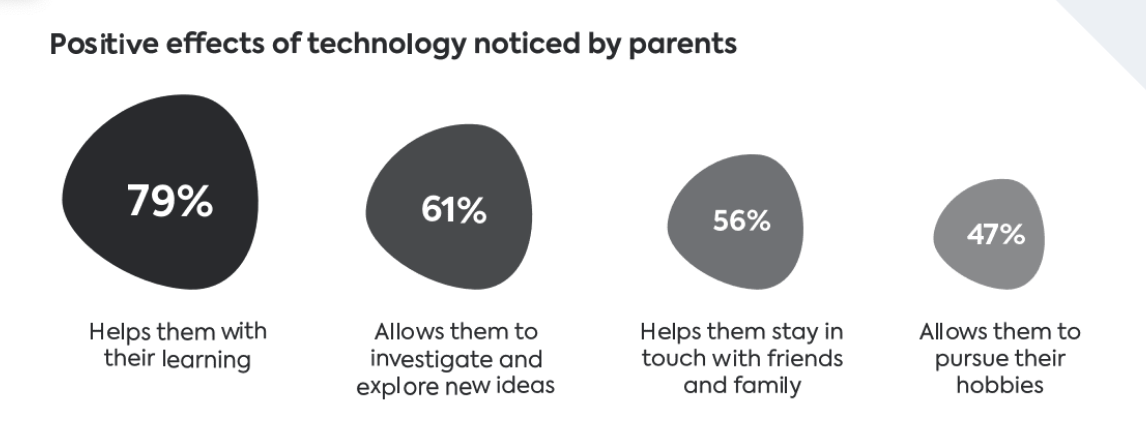
Source: Custodio, 2021: Living and learning in a digital world.
After several exercises on audience empathy and interviews, we found there is a critical crossroads where the interest of children and parents collide:
Several questions arised that heped us establish a direction:
Mind Tech is a family board game which brings families together around the use of technology by combining digital and real-life experiences.
Mind Tech helps parents engage in positive conversations with children and identify potential issues and opportunities regarding the use of technology.
Through a series of tests and games, it encourages dialogue and learning in a playful and enjoyable manner, providing additional benefits that can be utilized in other online games by all participants.
Unlike conventional conversations with children, books, interviews, talks, or courses that focus solely on what needs to be achieved, Mind Tech provides the necessary and fun tools to accomplish it in an enjoyable environment for all.


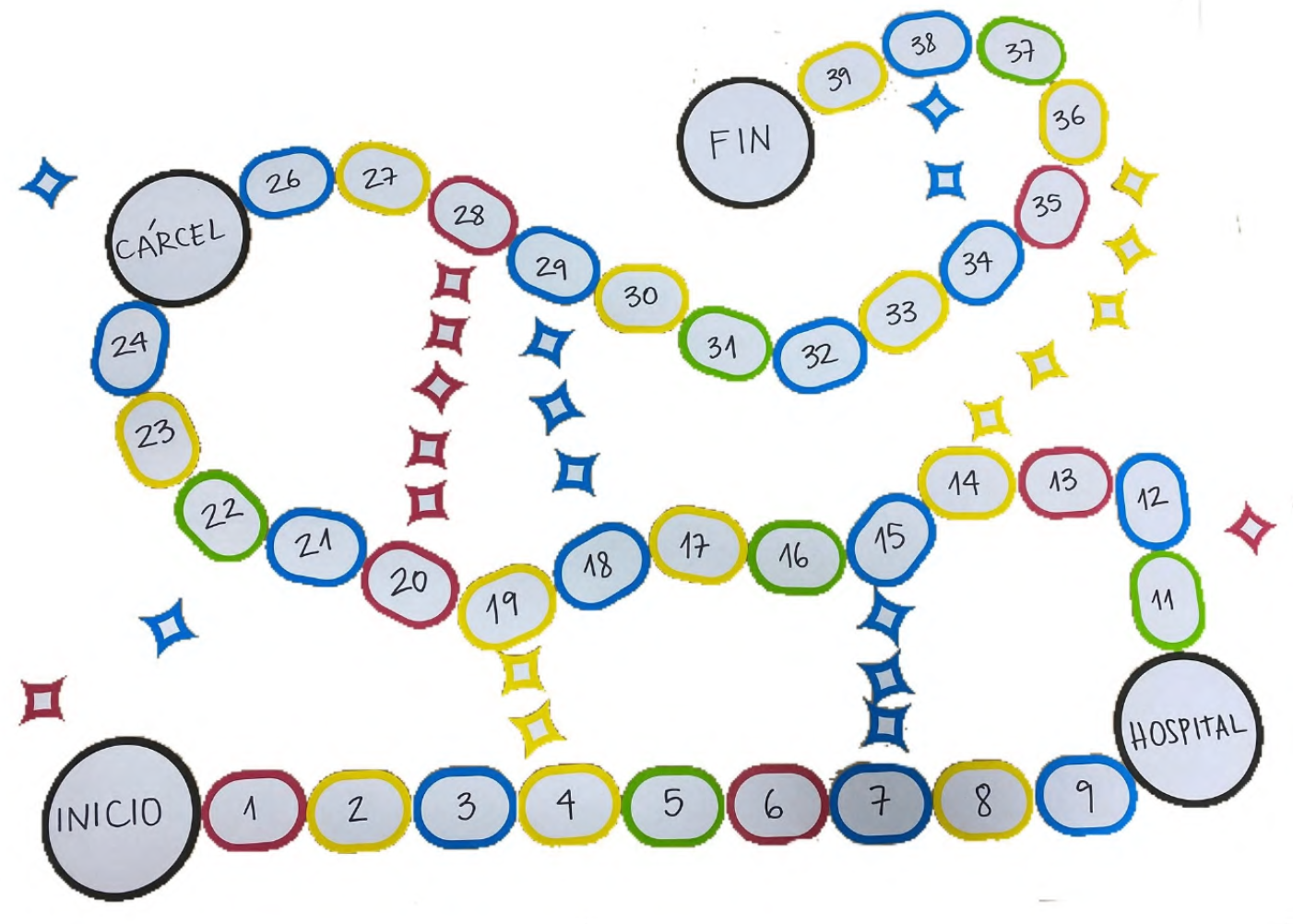
Our board takes the classic shape of a snakes and ladders game and includes several kinds of activities based on players’ age and the topics that they wish to cover.
Through a series of challenges and tests that can be physical or online, both parents and children have the chance to teach and learn about technology. The game is designed so that both parts have the opportunity to show off and prove skills in a give and take dynamic where roles are constantly switched.
Each square color implies different types of challenges, rewards and penalties:
Challenges
Specifically for parents so they understand the things kids love to do while kids have an opportunity to make healthy fun of them.
Understand when difficult situations may be arising (ex.: cyberbullying).
Encourage creativity and understanding of multimedia tools.
Help understand not everything is quite what it seems.
Being able to distinguish reality from fake.
Allow kids and teenagers to feel they master things which their parents don’t to increase their self esteem. Help adults experience the games their kids enjoy.
Encourage creativity through physical resources.